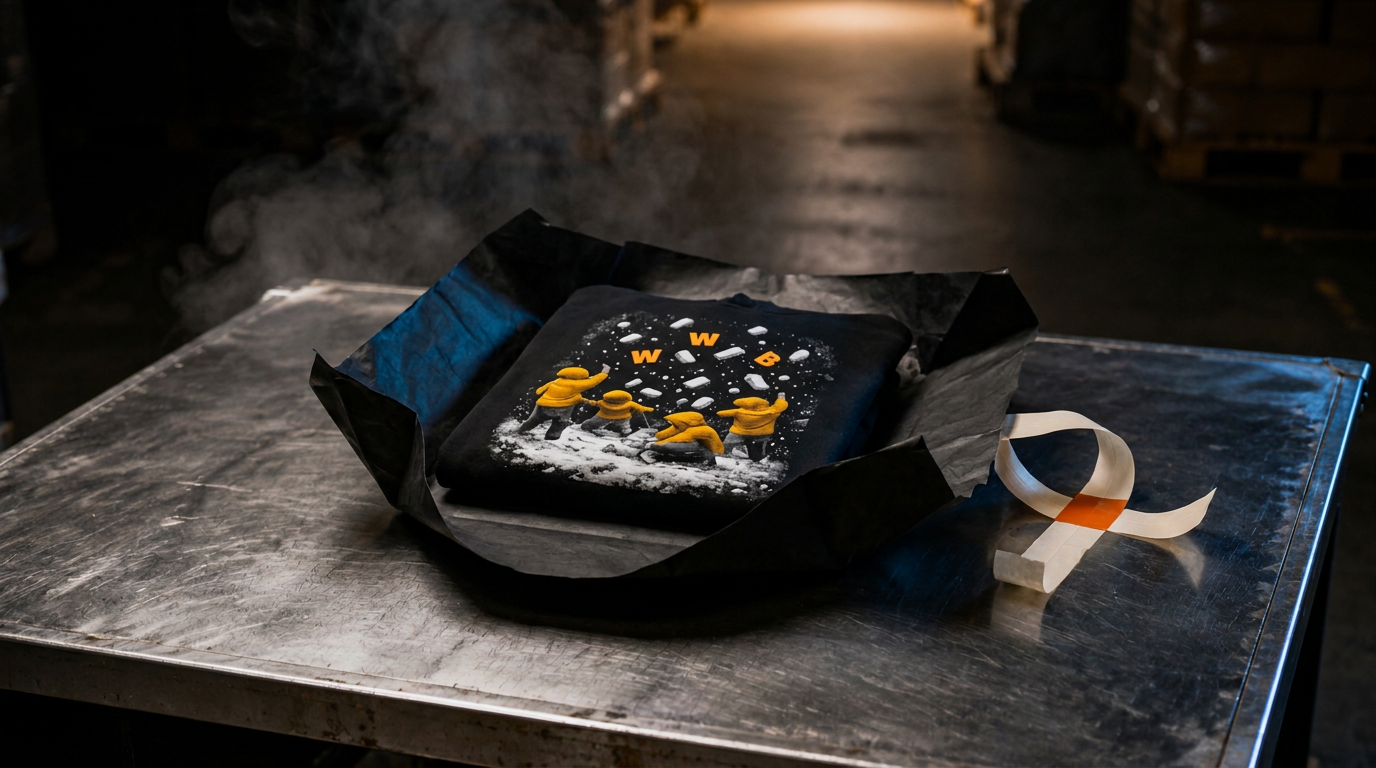
Harvest / Chapter One
Before They Took the House
Santa Isela · A Wednesday morningThe first survey stake appeared in my grandmother’s flower bed on a Wednesday morning.
It stood among the red blossoms with a strip of yellow ribbon tied around its neck, thin and cheerful and almost absurdly innocent, as though the men who placed it there had mistaken our land for something that could be claimed by decoration.
My grandmother saw it before breakfast.
She stepped off the porch without putting on her shoes, walked through the wet grass, and pulled it from the ground with both hands.
By noon, three more had appeared along the road.
The surveyors came after them in pressed shirts, carrying clipboards beneath the rain and speaking of access routes, investment corridors, and the future economic importance of Santa Isela. They used the language of opportunity because opportunity was easier to defend than removal.
Our workshop stood behind them, half hidden by the jungle.
Vines reached across its eastern wall. Rainwater ran from the rusted roof. Inside, seven women bent over sewing machines beneath wooden beams darkened by years of heat, weather, and memory.
The building had not always been a workshop.
Before I was born, it had belonged to men who came through the valley after sunset. Trucks arrived quietly. Money moved quickly. People learned that sudden prosperity carried its own kind of silence.
My grandmother’s younger brother entered that world at nineteen and never returned from it.
Years later, when the money and the men had moved elsewhere, my grandmother and several women from the village bought the abandoned building, carried out its old scales, and filled the rooms with fabric.
By the time the surveyors arrived, the building had been a workshop longer than it had been anything else.
That did not matter to the men with the clipboards.
On their map, our home had already become a road.